What Is The Best Temperature For Your Baby’s Room?

Back to Baby Sleep
Spaces
When creating the ideal conditions for your baby's room, nothing seems more important than the room temperature. Armed with thermometers, parents aim to balance the scales favourably despite factors we can't always control, namely the weather. So, what exactly is the best baby room temperature? Below, we'll explore the ideal temperature range for a baby's room, how to tell if your baby is becoming too hot or too cold during sleep, and what you can do to help your little one sleep safely and comfortably overnight.
reviewed by Genevieve Titov, Sleep Angel
5 min read |
30 August, 2024

What is the ideal room temperature for babies? 

The Lullaby Trust suggest the ideal baby’s room temp is generally between 16-20° Celsius but you can still achieve comfort safely, by using TOG rated sleepwear and following a brands dressing guide. 

Why is room temperature important for a baby? 

It’s important that babies don’t overheat while they’re sleeping and that the room is properly ventilated. Overheating has been linked to an increased risk in SIDS (Sudden Infant Death Syndrome). Overheating can be caused by room heating, high body temperature, an excessive amount of clothing and/or bedding, or covering baby’s head. Babies regulate their temperature through their head and face, so it’s important that when your baby goes to nap or for their nighttime sleep they are not wearing any sort of head covering, hat or beanie.  
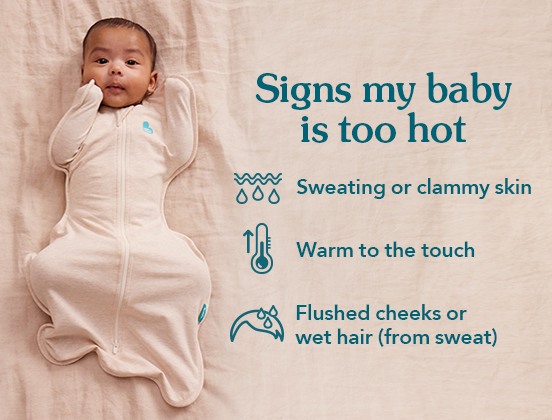
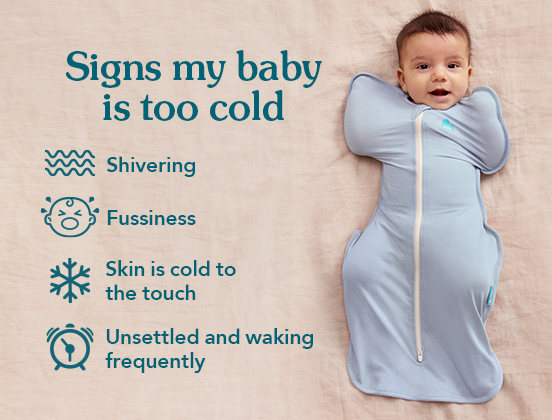
How to check if your baby is too hot or too cold

Often the first port of call for parents when checking their baby's temperature is to feel their hands and feet. However, due to a baby's developing circulatory system, babies' hands can feel cold when they are at a perfectly comfortable temperature. Here's what to do to check your baby's temperature while they're sleeping:

Feel your baby's chest or the back of their neck:

Rather than feeling your baby's hands to test their comfort temperature, gently feel the back of their neck or chest to gauge how comfortable they are.

What can you do if your baby's room is too warm?

If it's likely that the temperature of the room will rise above 72°F (22°C), make sure your baby is dressed in lightweight, breathable clothing and a swaddle with a low TOG rating. In very high temperatures, you can use a fan in the room to circulate the air. Important: ensure the fan is a safe distance away from the crib or bassinet and not in direct line with your baby.

What can you do if your baby's room is too cold?

On cooler evenings, dressing your baby in breathable layered clothing, with a temperature-appropriate swaddle or sleep bag could be all you need to ensure that baby is warm enough through the night. If you find your baby is not warm enough, you can add an extra layer underneath the sleep bag or swaddle.

While room thermometers can be a helpful aid in creating the ideal sleeping temperature for your baby, remember that dressing your baby appropriately and according to the climate is key. TOG (Thermal Overall Grade) ratings on clothing and sleep apparel are another helpful way of choosing the right sleepwear for the season and temperature.

The American Academy of Pediatrics (AAP) recommends keeping your baby's room at a comfortable temperature and avoiding overheating as part of their safe sleep guidelines. A good target is between 64 and 72°F (16-22°C). Check in with your baby during the night if you know the temperature is due to fluctuate. A room thermometer is also a handy and more accurate tool to have in the baby sleep toolbox.

For more on creating a safe, comfortable sleep environment, check out our nursery setup guide.

How to keep your baby a comfortable temperature during sleep

Choose lightweight layers, rather than heavy sleepwear

The advantage of dressing your baby in lightweight layers, such as bodysuits and rompers underneath a sleeping bag or swaddle, is that you can remove or add layers if the room temperature fluctuates during the night, or if you've noticed your baby is not at a comfortable temperature. Thick, heavy garments can lack breathability and may cause overheating. If you are unsure of a suitable layering combination for your baby's current room temperature, you can find dressing suggestions for different baby room temperatures on our TOG rating guide.

Avoid over-dressing your baby at night

Ensure your baby is dressed in lightweight, breathable clothing and they are not wearing a beanie, hat or head covering. Babies regulate their temperature through their head and face, therefore covering your child's head overnight increases the risk of overheating.

Keep your baby's crib free of blankets, loose sheets and pillows

While it may seem like a nice idea, loose blankets, sheets and pillows in a baby's crib are not recommended for safety reasons. You must ensure that your baby's face cannot become covered through the night. Babies lack the strength to move themselves away from anything that may obstruct their breathing during sleep, so instead opt for a well-fitting swaddle or safe sleeping bag, with safety features such as fitted necks and armholes (or sleeves).

Putting your baby to sleep on their back

Placing your baby on their back for every sleep allows them to regulate their own temperature more effectively. It also reduces the risk of SIDS. For more on safe sleep positioning, see our guide to newborn sleep positions.

Frequently Asked Questions

What temperature should a baby's room be?

The recommended baby room temperature is between 64 and 72°F (16-22°C). This range helps reduce the risk of overheating, which is a known risk factor for SIDS. Use a room thermometer to keep track, and dress your baby in appropriate TOG-rated sleepwear to match the conditions.

How do I know if my baby is too hot while sleeping?

Check the back of your baby's neck or chest rather than their hands and feet. Signs your baby is too hot include sweating, flushed cheeks, clammy skin, and rapid breathing. If they feel warm, remove a layer or lower the room temperature.

Is 72°F too hot for a baby's room?

72°F (22°C) is at the upper end of the recommended range. It's not necessarily too hot, but you'll want to make sure your baby is dressed lightly in breathable fabric and a low TOG swaddle or sleep bag. If the room creeps above 72°F, consider using a fan to circulate air (placed at a safe distance from the crib).

Should I use a fan in my baby's room?

Yes, a fan can help circulate air and keep the room comfortable on warmer nights. Just make sure it's placed at a safe distance from the crib, isn't blowing directly on your baby, and that any cords are well out of reach. A fan is a safer option than adding or removing blankets.

Key takeaways

Aim for 64-72°F (16-22°C).
This is the recommended baby room temperature range. Overheating is a risk factor for SIDS, so cooler is generally better than warmer.
Check the neck, not the hands.
Baby hands often feel cool even when they're perfectly comfortable. Feel the back of their neck or chest for a more accurate read.
Layer up, don't pile on.
Lightweight layers under a TOG-rated swaddle or sleep bag let you adjust easily if the temperature changes overnight.
Skip the blankets and hats.
No loose bedding in the crib, and no hats or head coverings during sleep. Babies regulate temperature through their head and face.
Use a room thermometer.
Your own comfort isn't always the best gauge. A simple room thermometer takes the guesswork out of it, especially on nights when the temperature shifts.

Related Articles from our

Sleep School

Most popular blog posts

See all
Newborn Sleep Savers: 7 Simple Tips for the First Few Weeks
How to Survive Postpartum Sleep Deprivation (and Actually Feel Human Again)
The Startle Reflex and Swaddling

The Startle Reflex and Swaddling